

A stainless steel tube quotation is only as useful as the information behind it.
When an RFQ includes only a tube size and quantity, the supplier may still need to clarify the material grade, wall thickness, surface finish, cut length, fabrication requirements, tolerances, packaging and final application before a meaningful quotation can be prepared.
For manufacturers, fabricators and procurement teams, a clearer RFQ does more than speed up pricing. It also reduces the risk of comparing quotations that are based on different assumptions.
This checklist explains the information buyers should prepare before requesting a quotation for stainless steel tubes used in manufacturing, fabrication and architectural applications.
1. Start With the Final Application
The first question is not simply: What tube size do you need?
A better starting point is: What will the tube become after delivery?
A stainless steel tube used in a furniture frame may require different dimensional, surface and processing considerations from a tube used in a bathroom product, railing system, machinery component or industrial workstation.
- furniture frames and visible components
- bathroom hardware
- handrails and railings
- racks and workstations
- machinery and equipment
- fabricated metal products
- architectural components
- welded assemblies
The final application helps the supplier understand which characteristics are likely to matter most during quotation review. A visible architectural tube may place more emphasis on surface appearance, while a component entering a welded or assembled product may require closer attention to dimensions, straightness, cut condition and downstream fit.
2. Specify the Material Grade
The RFQ should clearly identify the required stainless steel grade.
- 201
- 304
- 316L
The material should not be selected only by price. The end environment, corrosion requirement, fabrication sequence and customer or project specification should also be considered.
For example, 304 is commonly considered for many general manufacturing and indoor applications, while 316L may deserve closer review where chloride exposure, coastal conditions or other more demanding environments are relevant.
For a more detailed comparison, see 304 vs 316L Stainless Steel Tubes.
3. Define the Tube Profile
Do not describe a tube only as “stainless steel tubing.” Identify the required profile.
- round tube
- square tube
- rectangular tube
- oval tube
- special-shaped tube
For non-standard profiles, drawings or samples are especially useful. A profile drawing should identify the dimensions that are critical to the finished component rather than relying only on a general outside size description.
Buyers can review the available product categories on the Products page.
4. Provide All Critical Dimensions
A usable RFQ should include the dimensions needed to manufacture and inspect the tube.
- outside diameter
- width
- height
- wall thickness
- corner condition
- profile geometry
- finished cut length

For custom or assembly-sensitive parts, identify which dimensions are functionally important. A dimension used only for general appearance may not require the same discussion as a dimension controlling insertion, welding, fitting or final assembly.
5. State the Wall Thickness Clearly
Wall thickness affects more than material usage. It can influence forming, cutting, welding, bending, strength, weight, downstream assembly and finished product stability.
The required wall thickness should therefore be stated clearly in the RFQ rather than left for the supplier to assume. If the wall thickness is controlled by an end-customer drawing or product design, provide the specified value and applicable acceptance requirement.
6. Define the Surface Finish
Surface finish should be specified according to the appearance and downstream process required by the finished product.
- bright
- brushed
- satin
- polished
- mirror-polished
- project-specific surface requirement
Do not rely only on terms such as “good finish” or “high quality surface.” Where appearance is important, it is better to provide a finish description, sample reference, approved comparison sample, photograph where appropriate, downstream plating or coating route, and visible-face requirements.
Surface finish and material grade are different parts of the specification. A polished 304 tube does not become equivalent to 316L simply because the surface is smoother.
For related handling considerations, see Polished & Brushed Stainless Steel Tube Surface Protection.
7. Specify Cut Length and End Condition
If the tubes will be supplied cut to length, include the required finished length. The RFQ should also explain what happens after cutting.
- welding
- insertion
- bending
- end forming
- assembly
- machining
- direct installation
Relevant requirements can include cut length, end-face condition, deburring, chamfering, further forming and packaging protection for finished ends.
See Cut-to-Length Stainless Steel Tubes: End Quality and Assembly Fit.
8. Identify Required Secondary Processing
If the supplier is expected to perform more than tube production, list those operations clearly in the RFQ.
- cut-to-length
- deburring
- chamfering
- bending
- flaring
- swaging or reducing
- flattening
- punching
- drilling
- end forming
- polishing
- protective packaging
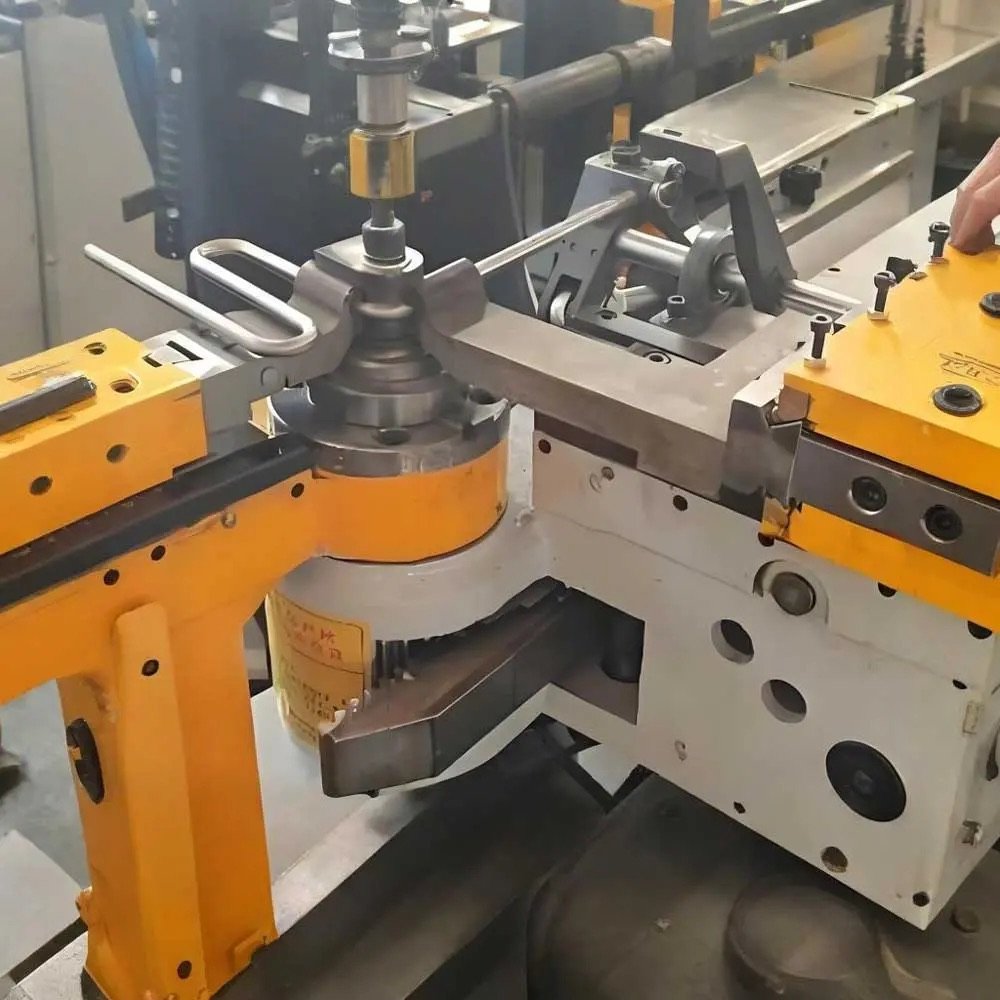
Not every process is suitable for every profile, wall thickness or geometry. Drawings and final requirements should therefore be reviewed before a capability or acceptance condition is confirmed.
9. Explain the Welding and Fabrication Sequence
If the tube will later be welded into a frame, product or assembly, tell the supplier. The same applies if the tube will be bent, drilled, punched, polished, inserted into another tube, fitted into brackets or connectors, or assembled with other components.
This information helps connect the tube specification with the downstream manufacturing process.
For more background, see Stainless Steel Tube Welding Distortion.
10. Define Tolerances Based on Function
A quotation should not be built around an assumption that every dimension requires the tightest possible tolerance.
Instead, identify the dimensions that actually control fitting, insertion, welding position, alignment, bending, assembly, visible appearance or interfaces with other components.
Where a drawing already defines tolerances, include it. Where it does not, explain the functional requirement so the tolerance discussion can be based on the actual application.
This is especially important for repeat-production programs where small dimensional differences can affect thousands of components.
11. Include the Applicable Standard
If the project requires a particular standard, state it directly.
For many stainless steel mechanical and decorative tube applications, buyers may specify ASTM A554, subject to the actual product and project requirement.
The standard alone does not replace the full purchasing specification. The RFQ should still identify grade, profile, dimensions, wall thickness, finish, length, processing, tolerances, inspection requirements and packaging.
12. State the Quantity and Order Structure
Quantity affects production planning, material preparation, processing and packaging.
- trial quantity, if applicable
- initial production quantity
- expected repeat quantity
- number of different sizes or profiles
- estimated annual demand if known
For multiple sizes, use a table rather than describing everything in a long email.
| Item | Profile | Material | Size | Wall Thickness | Length | Finish | Quantity |
|---|---|---|---|---|---|---|---|
| 1 | Round | 304 | Per drawing | Per drawing | Per drawing | Brushed | 2,000 pcs |
| 2 | Square | 304 | Per drawing | Per drawing | Per drawing | Polished | 1,500 pcs |
The final values should always match the buyer’s drawing and purchase specification.
13. Clarify Inspection and Acceptance Requirements
If the project has specific inspection requirements, identify them before quotation.
- dimensions
- wall thickness
- straightness
- surface appearance
- weld seam condition
- cut length
- packaging
- customer samples
- project-specific tests
Avoid introducing acceptance requirements only after production has started. The earlier the supplier understands the required inspection and acceptance criteria, the easier it is to review whether those requirements fit the proposed manufacturing route.
More information about manufacturing and inspection principles is available on the Quality page.
14. Specify Packaging Requirements
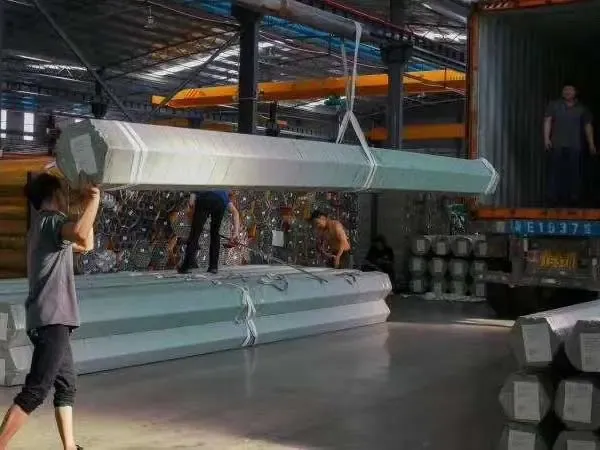
Packaging is part of the manufacturing specification when the tube surface, ends or geometry must be protected during transport.
- surface protection
- individual wrapping
- bundling
- end protection
- carton or crate requirements
- labels
- batch identification
- pallet requirements
- loading considerations
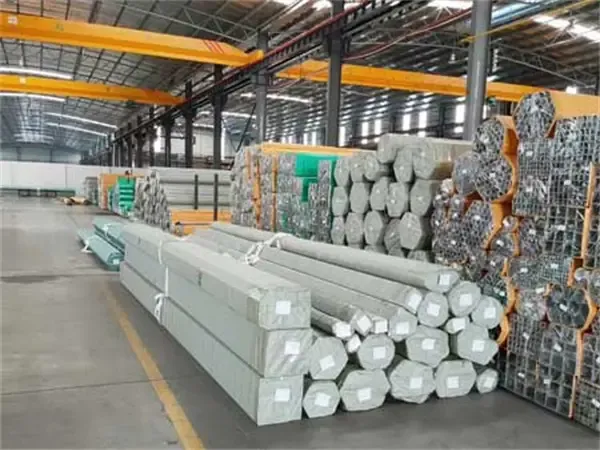
For visible stainless steel components, transport protection can be especially important because scratches, rubbing or contamination may affect the appearance of the finished product.
15. Include the Destination Market
The RFQ should identify where the order will be delivered.
- country
- city or port
- requested trade term
- preferred shipping method
- project or destination requirements where relevant
The destination can affect quotation structure, packaging, documentation and freight discussions.
16. Send Drawings Whenever the Tube Must Fit Something Else
For straightforward standard tubes, a written specification may be sufficient. For more complex components, a drawing is usually much more useful.
- another tube
- fittings
- brackets
- glass systems
- furniture connectors
- welded frames
- machined components
- formed parts
- customer-specific assemblies
A drawing can identify dimensions, tolerances, hole positions, bends and interfaces that are difficult to describe accurately in an email.
A Practical Stainless Steel Tube RFQ Checklist
- application
- material grade
- tube profile
- dimensions
- wall thickness
- cut length
- surface finish
- required secondary processing
- downstream welding or fabrication
- critical tolerances
- applicable standard
- quantity
- inspection requirements
- packaging requirements
- destination
- drawing or sample where needed
Not every project requires every item. The purpose of the checklist is to make sure the supplier understands the requirements that affect manufacturing, pricing and downstream fit.
What Information Does Vertex Tubes Need for a Quotation?
For a manufacturing-focused quotation, the most useful starting information is:
tube profile + material + dimensions + wall thickness + finish + cut length + quantity + processing requirements + drawing
If the tube will later be welded, bent, inserted, assembled or used as a visible component, include that information as well.
Vertex Tubes can then review the request around the complete manufacturing requirement rather than treating the tube as a generic commodity.
Final requirements, standards, dimensions, tolerances and acceptance criteria should be confirmed according to the specific order and drawing.
FAQ
What is the minimum information needed for a stainless steel tube RFQ?
At minimum, provide the tube profile, material grade, dimensions, wall thickness, length, finish and quantity. If fabrication, special tolerances or packaging are required, include those requirements as well.
Should I send a drawing with my RFQ?
A drawing is strongly recommended when the tube has custom dimensions, critical tolerances, holes, bends, end forming or assembly interfaces.
Should I specify 304 or 316L before requesting a quote?
Yes, if the material has already been defined by the project. If it has not, provide the service environment and application so the material requirement can be reviewed before quotation.
Do I need to specify tolerances?
If a dimension affects fitting, welding, bending or assembly, the tolerance should be defined in the drawing or discussed during RFQ review. Avoid applying unnecessarily tight tolerances to every dimension.
Should packaging be included in the RFQ?
Yes when surface appearance, finished ends, batch identification or transport protection matter to the project.
Can I request cutting or other processing together with the tube quotation?
Processing requirements such as cutting, deburring, chamfering, bending, punching, drilling, end forming or polishing can be reviewed together with the tube specification and drawing.
Request a Quote
If you are preparing a stainless steel tube project, send the application, material, profile, dimensions, wall thickness, length, finish, quantity and drawing where available.
Include any cutting, bending, welding, forming, inspection or packaging requirements that may affect the finished component.