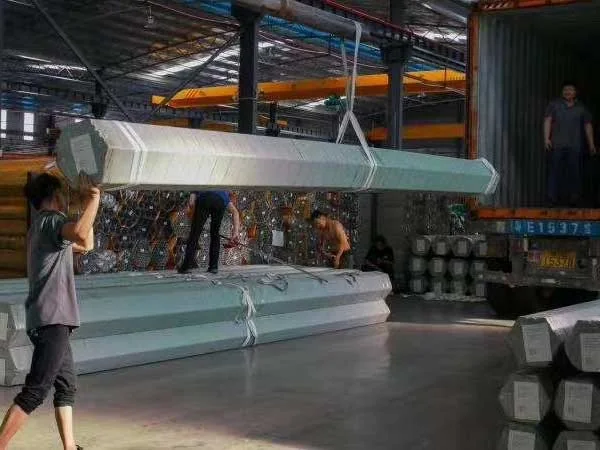
Final order review
The inspection focus follows the confirmed order requirements and agreed acceptance points.

Quality control for manufacturing supply
For welded stainless steel tube orders, quality control connects the agreed specification with the checks that matter before tubes move into further manufacturing.
Vertex Tubes uses a normal, complete quality-control route from material and specification review through tube forming, welding, inspection, final review and packing. The focus for each order is aligned with the confirmed tube specification, application and acceptance requirements.
Share drawings, samples or a written requirement when dimensions, visible surfaces, fabrication steps or packaging need particular attention.
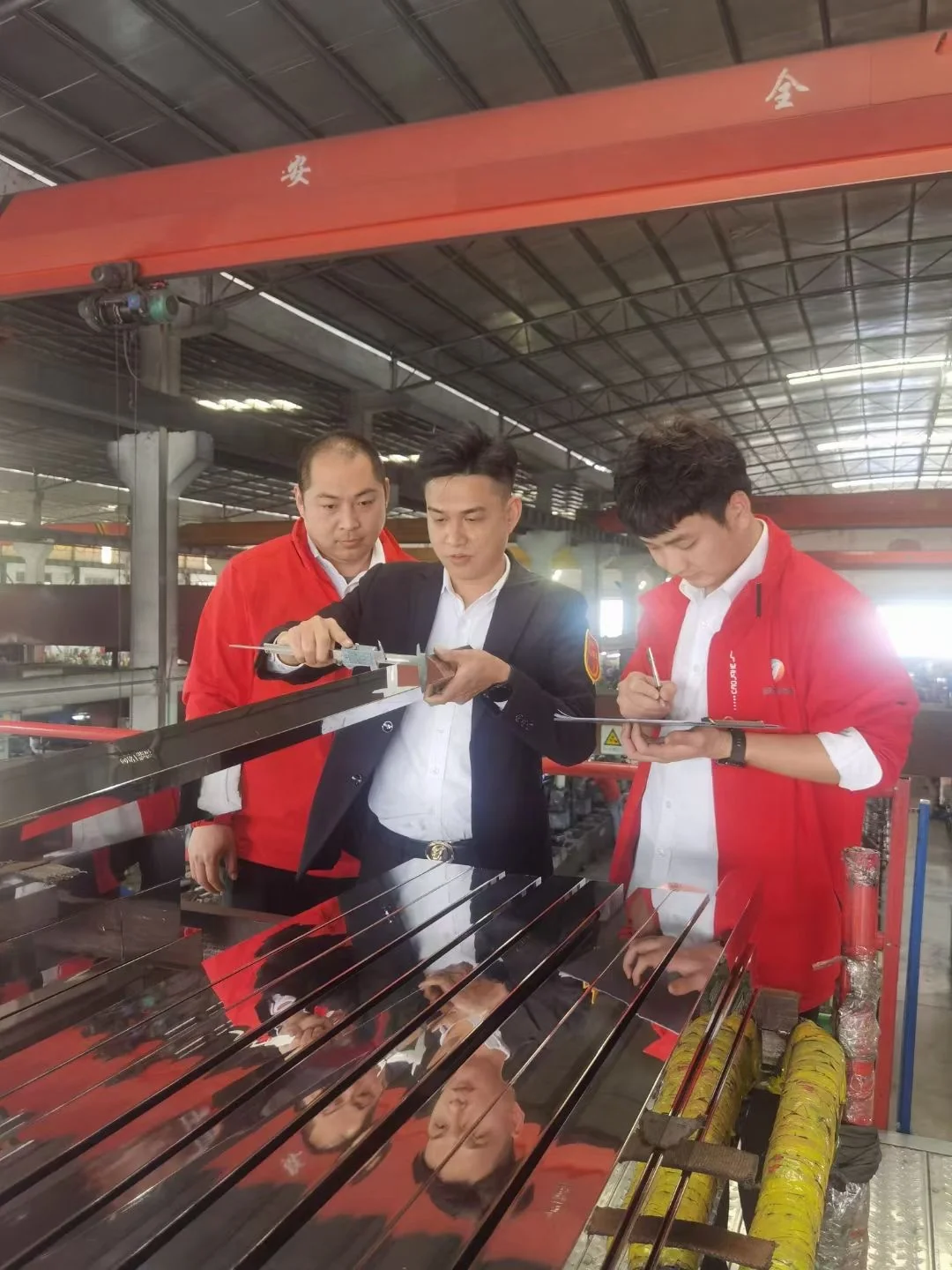
Made for the next step
Stainless steel tube is often a semi-finished input rather than the finished product.
It may later be cut, bent, welded, polished or assembled into hardware, frames, equipment and fabricated components. That is why the practical quality discussion starts with how the tube will be used after delivery, not with a generic claim.
Before quotation, we review the information that can affect the project: tube shape, material, outside dimension, wall thickness, length, straightness, surface condition, seam expectations, end condition, quantity and packaging needs.
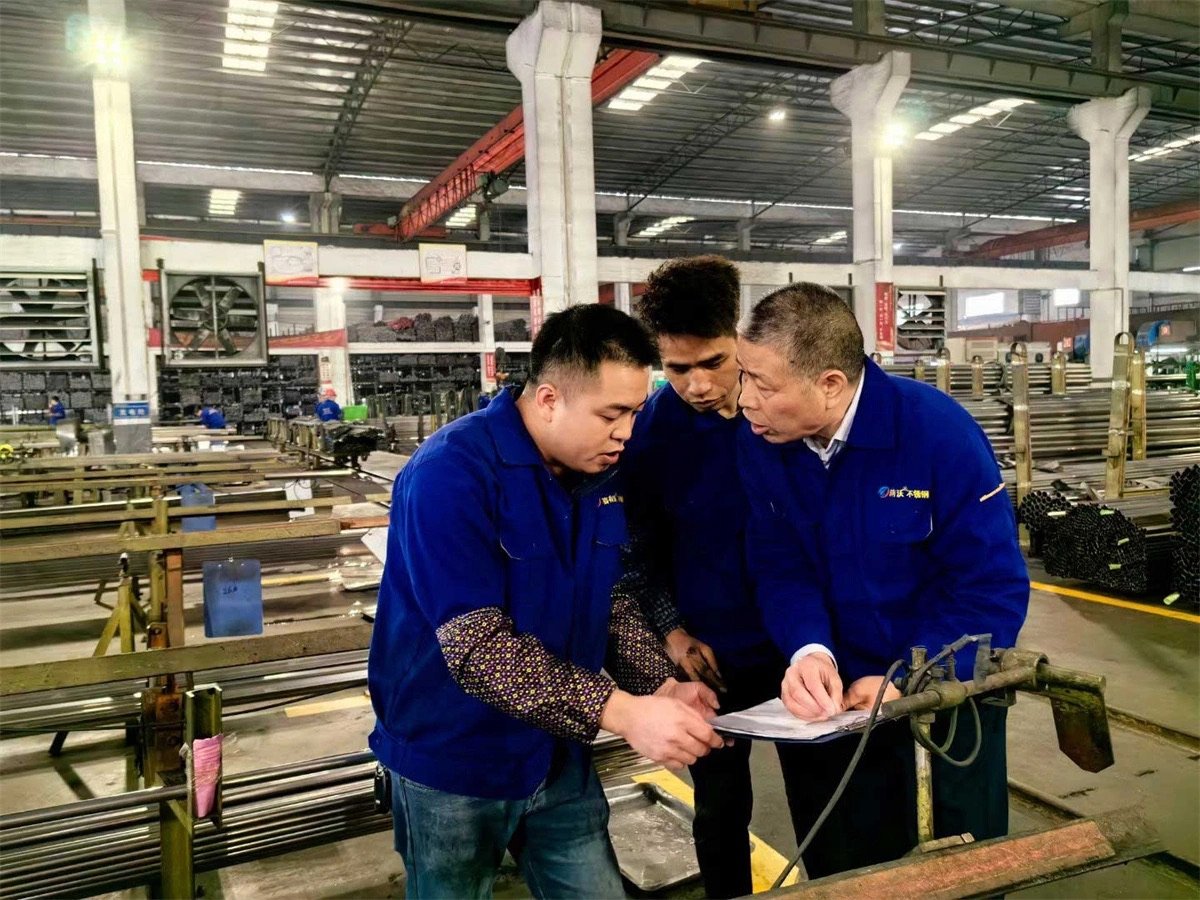
Before production
A clear specification gives both sides a better basis for reviewing the order. We confirm the supplied information and identify items that need to be clarified before production planning.
Where ASTM A554 or tolerance data are referenced, they are used only as a reference for an applicable order. Final requirements are confirmed in the specification and order documents.
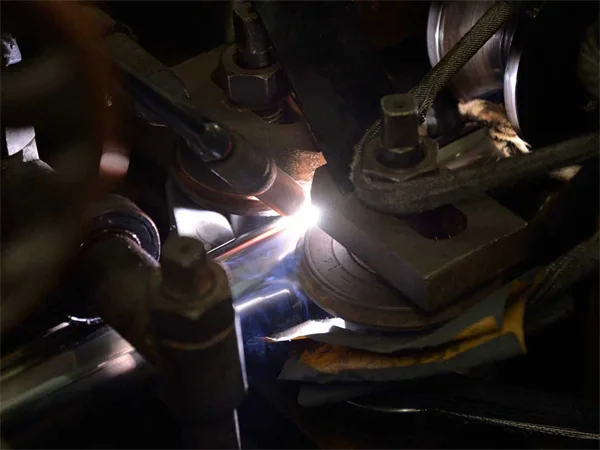
Tube forming and welding
For welded stainless steel tubes, the weld seam is reviewed as a controlled and continuous weld seam within the agreed production and inspection process.
Project discussions can cover seam position, the expected inner and outer seam condition, visible appearance, and any points that matter to subsequent cutting, bending, polishing, joining or assembly. These items are confirmed against the order requirement rather than presented as a blanket result claim.
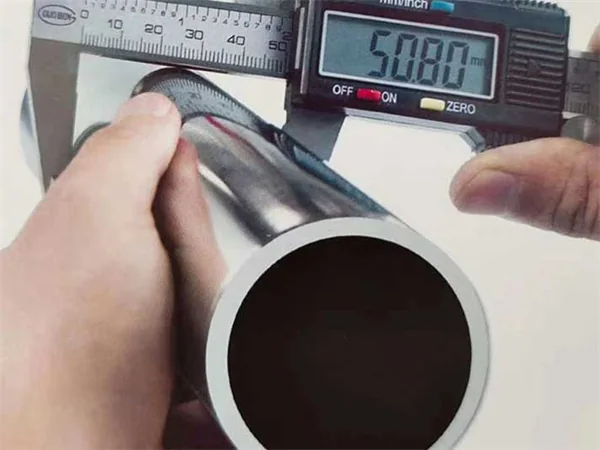
Fit and repeatability
Dimensions affect how a tube moves through downstream production and fits into the final component. Inspection points may include outside dimension, wall thickness, length, straightness, twist and diagonal dimensions where those requirements apply to the selected profile and application.
For tube-in-tube assemblies, fittings, brackets or visible frames, provide mating-part details, drawings or samples so the relevant dimensional discussion can be included before quotation.
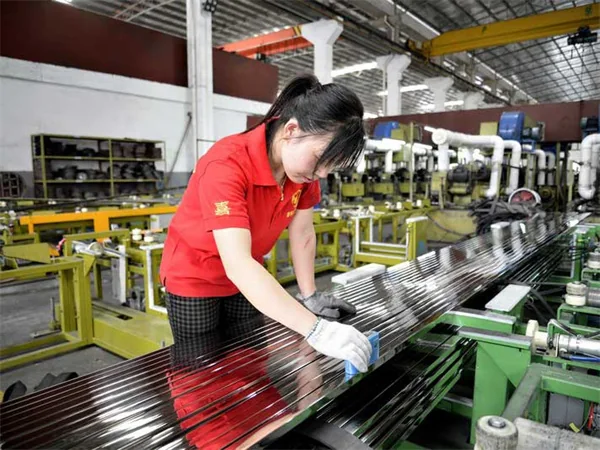
Visible components
Surface condition matters when tubes will remain visible, receive further polishing, coating or plating, or move directly into a finished assembly. The agreed finish, reference sample and visual acceptance requirements should be identified for the order.
Inspection discussions can include surface appearance, handling marks, scratches, dents, polishing consistency and protective measures appropriate to the specified finish.
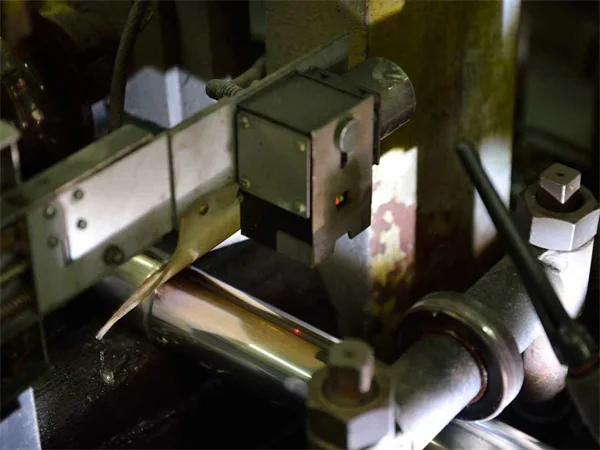
Prepared for fabrication
Tube ends and downstream fabrication requirements should be discussed together. Depending on the order, this can include cut length, end condition, burr expectations, forming direction, bend geometry, joining points and the surface condition required after the next process.
Sharing the intended cutting, bending, welding, polishing and assembly steps helps us review the tube requirement in its manufacturing context. Any processing scope supplied with an order is confirmed separately in the quotation.
Before dispatch
The final review brings the agreed order points together before packing.
Checks are selected according to the confirmed specification and can cover the relevant dimensions, length, straightness, weld seam appearance, tube ends, surface condition, quantity and packaging condition. Packaging is then matched to the tube shape, surface sensitivity, bundle method and handling needs stated for the order.
The inspection focus follows the confirmed order requirements and agreed acceptance points.
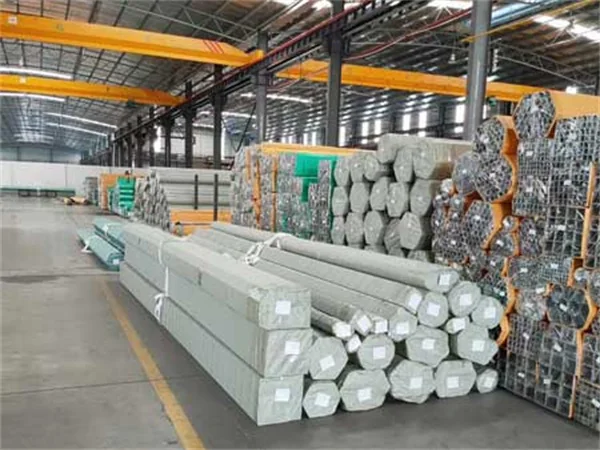
Packaging requirements are considered with the finish, tube shape, bundle stability and transport handling in mind.
Order communication
One concise checklist keeps the quality discussion tied to the order rather than turning internal inspection detail into a generic promise.
| Order stage | Quality focus | Information that helps define it |
|---|---|---|
| Specification review | Material, tube profile, dimensions, thickness, length and applicable reference requirements. | Drawing, size schedule, material requirement and written tolerance request. |
| Production review | Weld seam, straightness, twist, diagonal dimensions, surface and tube-end needs where applicable. | Application details, mating parts, sample, visual reference and downstream process notes. |
| Final review | Agreed inspection points, quantity, surface condition and packing condition. | Order confirmation, approved sample or acceptance reference, and packaging instruction. |
ASTM A554 and tolerance data may be referenced for applicable orders. The final scope, values and acceptance requirements are subject to the confirmed specification and order.
FAQ
Include the tube profile, material, outside dimension, wall thickness, length, surface requirement, intended application, quantity and any drawing or sample. Add straightness, twist, diagonal, seam, end-condition or packaging requirements when they are important to your component.
It can be referenced where it applies to the project. Please identify the required edition, material, dimensions and any order-specific tolerance or acceptance requirements. The final requirement is confirmed in the specification and order documents.
Share the next manufacturing step, drawings, bend geometry, mating parts, cut lengths and visible-surface expectation. This gives the order review a clearer basis for discussing dimensions, seam condition, tube ends, surface protection and packaging.
State whether the tubes have a visible finish, how they will be handled after delivery, the preferred bundle or individual protection method, and any carton, pallet or labeling requirement. Packaging details are confirmed for the relevant order.
Send your drawing, specification or project details. We will review the information needed for a clear, manufacturing-focused quotation.